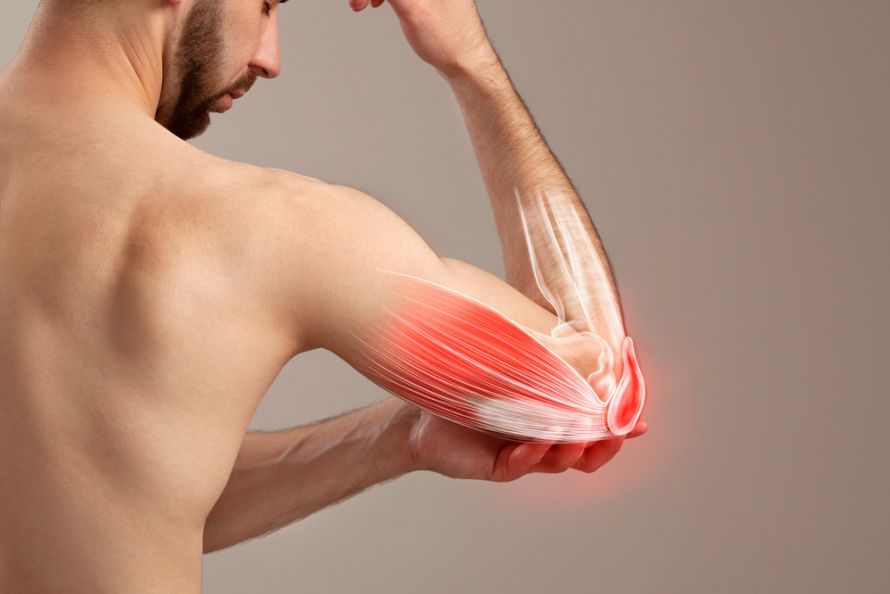
Tendon & Muscle Injuries
Ligament injuries are among the most common orthopedic conditions, affecting athletes, active individuals, and people involved in accidents or falls. Ligaments are strong bands of connective tissue that connect bones and provide stability to joints. When a ligament is stretched, partially torn, or completely ruptured, it can lead to pain, swelling, instability, and reduced mobility.
Early diagnosis and appropriate treatment are essential to restore joint function, prevent long-term complications, and help patients return to their normal activities safely.
What Are Ligaments?
Ligaments are tough, fibrous tissues that connect bones to other bones within a joint. They play a crucial role in:
- Stabilizing joints
- Controlling movement
- Preventing excessive motion
- Protecting joints during physical activity
Ligaments are present throughout the body, including the knee, ankle, shoulder, wrist, elbow, and other joints.
What is a Ligament Injury?
A ligament injury occurs when a ligament is stretched beyond its normal range or torn due to trauma, sudden twisting movements, sports injuries, or accidents.
The severity of a ligament injury can vary from a mild sprain to a complete rupture requiring surgical reconstruction.
Common Types of Ligament Injuries
- ACL (Anterior Cruciate Ligament) Injury
One of the most common knee ligament injuries, often occurring during sports involving sudden pivoting or directional changes. - PCL (Posterior Cruciate Ligament) Injury
Typically caused by direct impact to the knee during accidents or sports activities. - MCL (Medial Collateral Ligament) Injury
Occurs on the inner side of the knee and is commonly associated with contact sports. - LCL (Lateral Collateral Ligament) Injury
Affects the outer side of the knee and may occur due to trauma or twisting injuries. - Ankle Ligament Injuries
Commonly caused by ankle twisting or rolling, leading to sprains and instability. - Shoulder Ligament Injuries
Can result from shoulder dislocations, falls, or repetitive overhead activities. - Wrist and Elbow Ligament Injuries
Often occur due to sports injuries, falls, or repetitive strain.
Causes of Ligament Injuries
- Sports Activities
Football, cricket, basketball, tennis, badminton, and other sports place significant stress on ligaments. - Sudden Twisting Movements
Rapid changes in direction can overstretch or tear ligaments. - Falls and Accidents
Direct trauma may cause severe ligament damage. - Contact Sports
Physical collisions can lead to ligament tears and joint instability. - Overuse and Repetitive Stress
Repeated strain on a joint can weaken ligaments over time.
Symptoms of Ligament Injuries
Common symptoms include:
- Joint pain
- Swelling
- Bruising
- Joint instability
- Difficulty bearing weight
- Reduced range of motion
- A popping sensation at the time of injury
- Weakness around the affected joint
- Difficulty performing daily activities
Grades of Ligament Injury
- Grade I (Mild Sprain)
Slight stretching of the ligament, mild pain and swelling, joint remains stable. - Grade II (Partial Tear)
Partial tearing of ligament fibers, moderate pain and swelling, some joint instability. - Grade III (Complete Tear)
Complete ligament rupture, significant instability, severe loss of joint function, often requires surgical intervention.
Diagnosis of Ligament Injuries
A comprehensive evaluation may include:
- Detailed medical history
- Physical examination
- Joint stability testing
- X-rays
- MRI scans
- Ultrasound imaging
- Functional movement assessment
Treatment Options for Ligament Injuries
Non-Surgical Treatment
Mild to moderate ligament injuries may be treated with:
- Rest and activity modification
- Ice therapy
- Compression and elevation
- Anti-inflammatory medications
- Bracing or splinting
- Physiotherapy and rehabilitation
- Strengthening exercises
Surgical Treatment
Severe ligament tears or unstable joints may require surgery, including:
- Arthroscopic ligament repair
- Ligament reconstruction
- Tendon graft procedures
- Joint stabilization surgery
The choice of treatment depends on the location and severity of the injury, as well as the patient's activity level and lifestyle goals.
Benefits of Early Treatment
- Faster Recovery — Prompt treatment can accelerate healing and rehabilitation.
- Restored Joint Stability — Helps prevent recurrent injuries and instability.
- Pain Relief — Reduces discomfort and inflammation.
- Improved Function — Restores strength, mobility, and confidence in movement.
- Prevention of Long-Term Damage — Untreated ligament injuries can lead to cartilage damage, arthritis, and chronic instability.
Recovery After Ligament Injury
Recovery varies depending on the severity of the injury and treatment approach.
- Mild Injuries
Recovery may take a few weeks. Physiotherapy helps restore normal function. - Moderate Injuries
Recovery may take several weeks to months. Bracing and rehabilitation are often required. - Severe Injuries
Surgical reconstruction may require 6–12 months of rehabilitation for full recovery.
A personalized rehabilitation program is essential for achieving the best possible outcome.