Conventional Knee Replacement
Conventional Knee Replacement is a highly effective orthopedic procedure designed to relieve chronic knee pain, restore mobility, and improve quality of life for patients suffering from severe knee arthritis and joint damage. This time-tested surgical technique involves replacing damaged portions of the knee joint with durable artificial implants, allowing patients to return to their daily activities with greater comfort and confidence.
For individuals whose knee pain no longer responds to medications, physiotherapy, or lifestyle modifications, conventional knee replacement can provide long-term relief and significantly enhance joint function.
What is Conventional Knee Replacement?
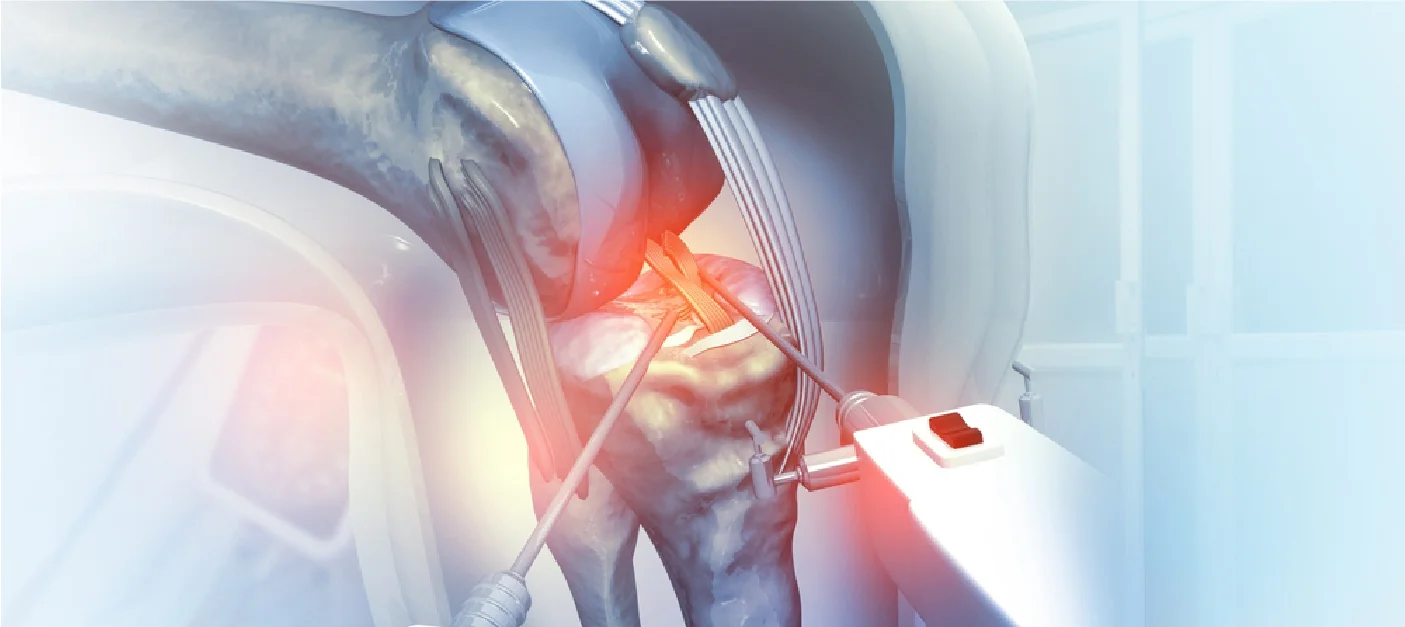
Conventional Knee Replacement, also known as Total Knee Replacement (TKR), is a surgical procedure in which worn-out or damaged cartilage and bone surfaces of the knee joint are removed and replaced with specially designed prosthetic components.
The procedure helps restore smooth joint movement, reduce pain, and improve knee stability. Conventional knee replacement has been successfully performed worldwide for decades and remains one of the most reliable treatments for advanced knee arthritis.
Who Needs Conventional Knee Replacement?
You may be a candidate for conventional knee replacement if you experience:
- Severe knee pain that limits daily activities
- Difficulty walking, climbing stairs, or standing
- Chronic knee stiffness
- Swelling that does not improve with treatment
- Knee deformities such as bow legs or knock knees
- Advanced osteoarthritis or rheumatoid arthritis
- Failure of non-surgical treatments including medications and physiotherapy
Conditions Treated with Conventional Knee Replacement
- Osteoarthritis
The most common cause of knee replacement, resulting from age-related cartilage degeneration. - Rheumatoid Arthritis
An autoimmune disease that causes inflammation and damage to the knee joint. - Post-Traumatic Arthritis
Arthritis that develops after a knee injury or fracture. - Degenerative Joint Disease
Progressive deterioration of joint cartilage leading to pain and reduced mobility.
Benefits of Conventional Knee Replacement
Conventional knee replacement offers numerous advantages, including:
- Significant Pain Relief
Reduces or eliminates chronic knee pain caused by joint degeneration. - Improved Mobility and Function
Restores the ability to walk, climb stairs, and perform everyday activities. - Enhanced Quality of Life
Allows patients to regain independence and enjoy an active lifestyle. - Long-Lasting Results
Modern knee implants can provide excellent function for many years. - High Success Rates
Conventional knee replacement is one of the most successful orthopedic procedures performed today.
The Conventional Knee Replacement Procedure
Preoperative Evaluation
Before surgery, patients undergo a comprehensive assessment that may include:
- Medical history review
- Physical examination
- X-rays and imaging studies
- Blood tests
- Cardiac and anesthesia evaluation
Surgical Procedure
- Anesthesia is administered.
- A surgical incision is made over the knee.
- Damaged cartilage and bone are carefully removed.
- The knee surfaces are reshaped to accommodate the implant.
- Artificial metal and plastic components are positioned.
- Knee alignment and movement are assessed.
- The incision is closed, and recovery begins.
The procedure generally takes between 1 and 2 hours.
Recovery After Conventional Knee Replacement
Hospital Stay
Most patients remain in the hospital for a few days following surgery, depending on their recovery progress.
Early Rehabilitation
- Walking with support usually begins within 24 to 48 hours.
- Physiotherapy starts soon after surgery.
- Exercises help improve flexibility and strength.
Long-Term Recovery
- Daily activities gradually resume within several weeks.
- Most patients experience substantial improvement within 6 to 12 weeks.
- Full recovery may take several months depending on individual healing and rehabilitation efforts.
Risks and Complications
Although conventional knee replacement is generally safe, potential risks include:
- Infection
- Blood clots
- Bleeding
- Implant loosening over time
- Nerve or blood vessel injury
- Knee stiffness
- Persistent pain
- Need for revision surgery in rare cases
Careful surgical planning and postoperative care help minimize these risks.
Why Choose Conventional Knee Replacement?
Conventional knee replacement remains a trusted treatment option because of its:
- Proven long-term success
- Reliable pain relief
- Excellent functional outcomes
- Wide suitability for patients with severe arthritis
- Durable implant technology
- Established surgical techniques
Thousands of patients regain mobility and return to active lifestyles every year through conventional knee replacement surgery.