Menstrual Hygiene – Essential Care for Women's Health
Maintaining proper Menstrual Hygiene is crucial for every woman's health and well-being. With guidance from experienced Gynaecology Specialists, women can adopt safe and healthy practices during their menstrual cycle to prevent infections and promote overall reproductive health.
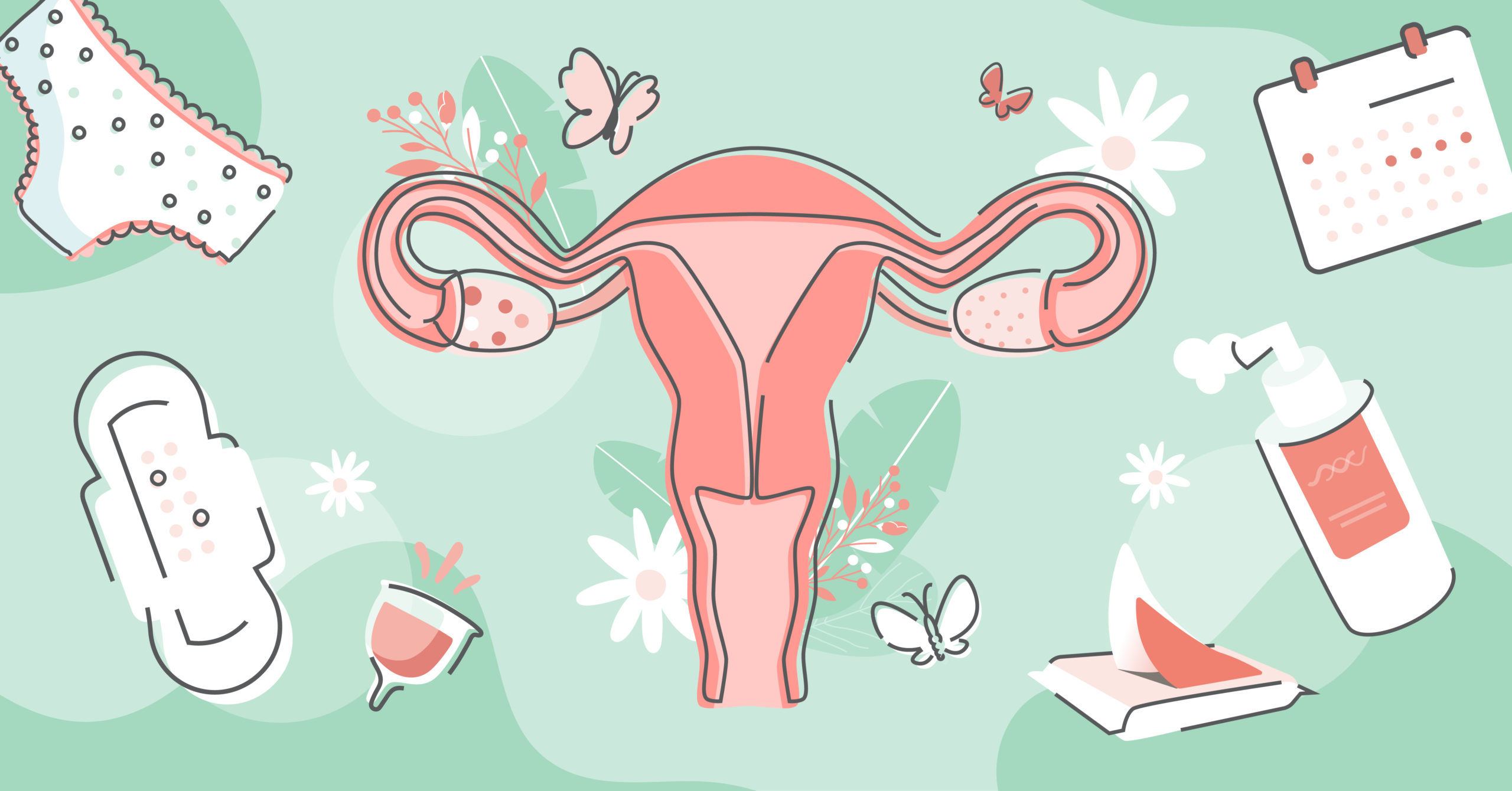
Menstrual hygiene refers to the practices followed during menstruation to maintain cleanliness, prevent infections, and ensure physical comfort. It includes the proper use and disposal of sanitary products and maintaining personal hygiene.
Why is Menstrual Hygiene Important?
- Prevents infections and irritation
- Promotes reproductive health
- Reduces discomfort during periods
- Improves confidence and daily comfort
- Supports overall well-being
Best Practices for Menstrual Hygiene
1. Use Clean and Safe Products
- Sanitary pads
- Tampons
- Menstrual cups
Choose products based on comfort and change them regularly.
2. Change Products Regularly
- Change pads every 4–6 hours
- Avoid prolonged use to prevent infections
3. Maintain Personal Hygiene
- Wash the genital area with clean water
- Avoid harsh soaps or chemicals
- Keep the area dry
4. Wear Comfortable Clothing
- Choose breathable cotton underwear
- Avoid tight or synthetic fabrics
5. Proper Disposal
- Wrap used products properly
- Dispose of them in designated bins
- Do not flush sanitary products
Common Menstrual Problems
- Irregular periods
- Heavy bleeding
- Severe cramps
- Premenstrual syndrome (PMS)
Consult a gynaecologist if symptoms are severe or persistent.
When to See a Gynaecologist?
- Very painful periods
- Unusual discharge or odor
- Irregular or missed periods
- Excessive bleeding
- Signs of infection (itching, irritation)
Tips for a Healthy Period
- Maintain a balanced diet
- Stay hydrated
- Exercise regularly
- Get adequate rest
- Manage stress