Advanced Laparoscopic Surgery – Minimally Invasive Gynecological Treatment
Advanced Laparoscopic Surgery is a modern, minimally invasive technique used to diagnose and treat various gynecological conditions. Performed by experienced Gynaecology Specialists, this procedure uses small incisions, a camera (laparoscope), and specialized instruments to ensure precise treatment with minimal pain and faster recovery.
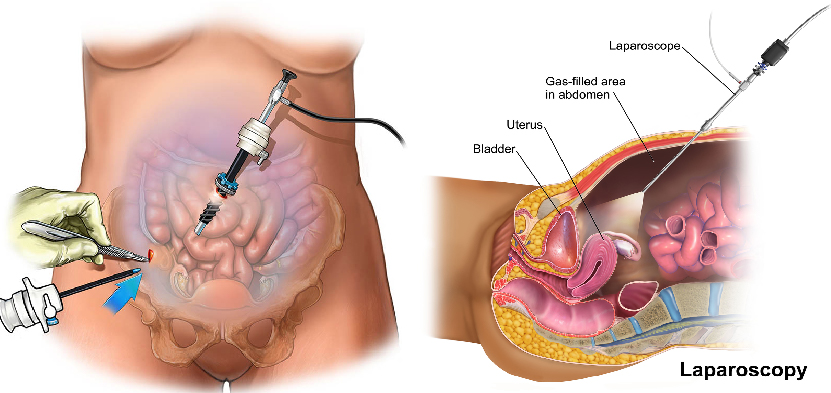
Laparoscopic surgery, also known as keyhole surgery, involves inserting a thin camera (laparoscope) through small incisions in the abdomen. This allows doctors to view internal organs and perform surgical procedures with high precision.
Conditions Treated with Laparoscopic Surgery
Advanced laparoscopic techniques are used to treat:
- Uterine fibroids
- Ovarian cysts
- Endometriosis
- Ectopic pregnancy
- Pelvic adhesions
- Uterine prolapse
- Infertility-related conditions
Common Laparoscopic Procedures
- Laparoscopic hysterectomy
- Laparoscopic myomectomy (fibroid removal)
- Ovarian cyst removal
- Tubal ligation (family planning)
- Diagnostic laparoscopy
Benefits of Advanced Laparoscopic Surgery
- Smaller incisions and minimal scarring
- Less pain and discomfort
- Faster recovery and shorter hospital stay
- Reduced risk of infection
- Quick return to daily activities
Procedure Overview
- Administration of anesthesia
- Small incisions in the abdomen
- Insertion of laparoscope and surgical instruments
- Treatment of the condition
- Closure of incisions
The duration typically ranges from 30 minutes to a few hours, depending on the procedure.
Risks and Considerations
- Mild pain or discomfort after surgery
- Rare risk of bleeding or infection
- Possible complications depending on the condition
These risks are minimal when performed by skilled specialists.
Recovery After Laparoscopic Surgery
- Hospital stay: Same day or 1–2 days
- Recovery time: 1–3 weeks
- Resume normal activities quickly
- Follow post-operative care instructions