Fibroid Surgery – Advanced Treatment for Uterine Fibroids
Fibroid surgery is a highly effective treatment for women suffering from uterine fibroids—non-cancerous growths in or around the uterus. Experienced Gynaecology Specialists provide personalized care using advanced surgical techniques to ensure safe removal and faster recovery.
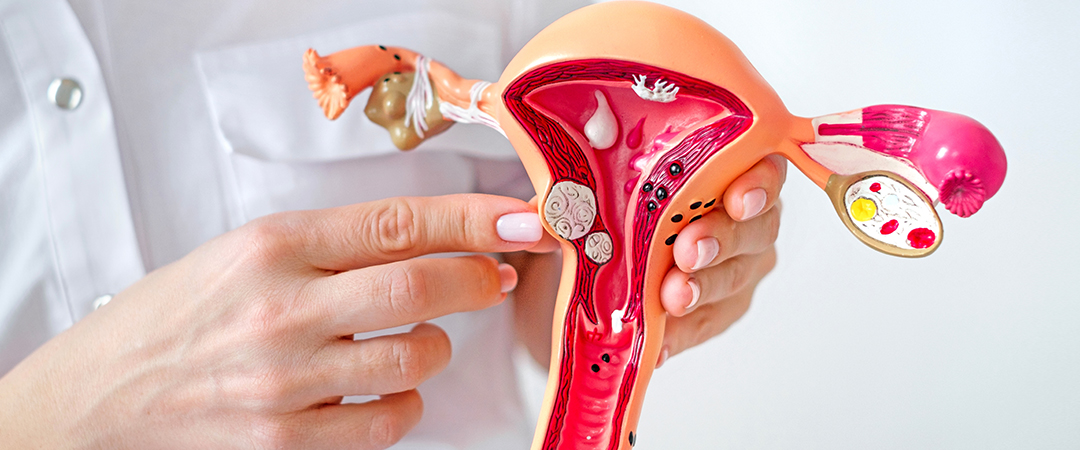
Uterine fibroids are benign (non-cancerous) tumors that develop in the uterus. They are common in women of reproductive age and may vary in size and number.
When is Fibroid Surgery Needed?
Surgery may be recommended if fibroids cause:
- Heavy or prolonged menstrual bleeding
- Pelvic pain or pressure
- Frequent urination
- Infertility or pregnancy complications
- Rapid growth of fibroids
Types of Fibroid Surgery
1. Myomectomy (Fibroid Removal)
- Removes fibroids while preserving the uterus
- Ideal for women who wish to have children
2. Hysterectomy
- Complete removal of the uterus
- Recommended in severe or recurrent cases
Surgical Approaches
- Laparoscopic Myomectomy – Minimally invasive, faster recovery
- Hysteroscopic Myomectomy – Removal through the vagina (no external cuts)
- Open Surgery (Abdominal Myomectomy) – For large or multiple fibroids
Benefits of Fibroid Surgery
- Relief from heavy bleeding and pain
- Improved fertility (in selected cases)
- Better quality of life
- Prevention of complications
Risks and Considerations
- Bleeding or infection
- Risk of fibroid recurrence (in myomectomy)
- Recovery time depending on the procedure
Your gynaecology specialist will guide you on the safest and most suitable option.
Recovery After Fibroid Surgery
- Hospital stay: 1–3 days (varies by procedure)
- Recovery time: 2–6 weeks
- Gradual return to normal activities
- Follow-up visits for monitoring