Rotator Cuff Repair
Rotator Cuff Repair is a specialized orthopedic procedure designed to repair torn tendons of the rotator cuff, restoring shoulder strength, stability, and function. The rotator cuff is a group of muscles and tendons that help lift and rotate the arm while stabilizing the shoulder joint.
A rotator cuff tear can cause significant pain, weakness, and difficulty performing everyday activities. Modern rotator cuff repair techniques, often performed arthroscopically, help patients regain shoulder function and return to an active lifestyle.
What is Rotator Cuff Repair?
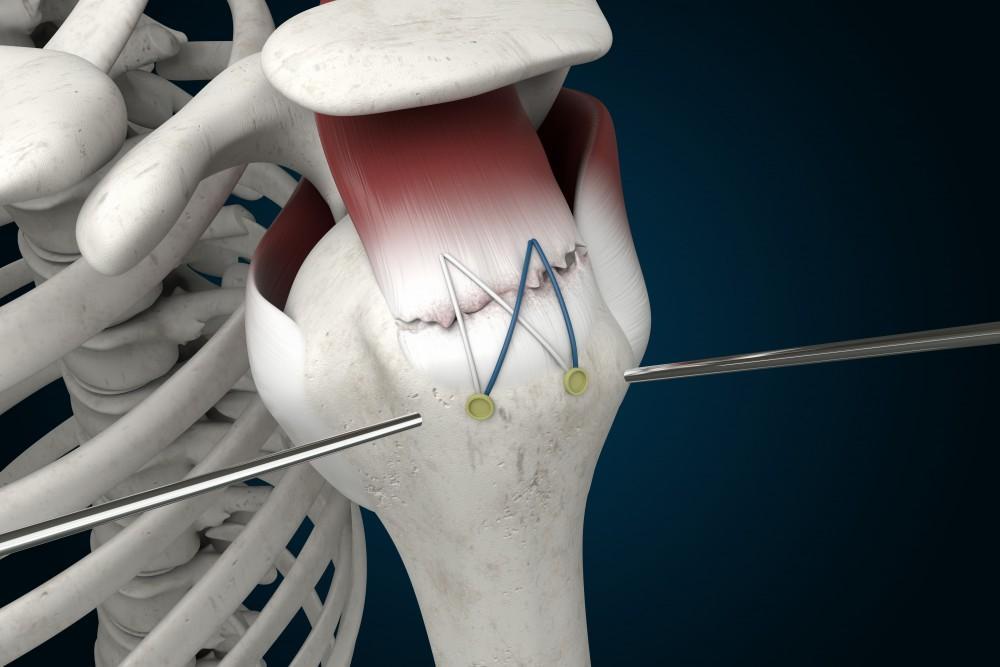
Rotator Cuff Repair is a surgical procedure used to reattach torn rotator cuff tendons to the upper arm bone (humerus). Depending on the size and severity of the tear, the surgery may be performed using minimally invasive arthroscopic techniques, mini-open surgery, or traditional open surgery.
The primary goal of the procedure is to relieve pain, restore strength, and improve shoulder mobility.
What is the Rotator Cuff?
The rotator cuff consists of four important muscles and tendons that surround the shoulder joint:
- Supraspinatus
- Infraspinatus
- Teres Minor
- Subscapularis
Together, these structures:
- Stabilize the shoulder joint
- Assist arm lifting and rotation
- Support overhead movements
- Help maintain normal shoulder function
Who Needs Rotator Cuff Repair?
Rotator cuff repair may be recommended for patients experiencing:
- Persistent shoulder pain
- Shoulder weakness
- Difficulty lifting the arm
- Pain during overhead activities
- Night pain that disrupts sleep
- Limited shoulder movement
- Traumatic rotator cuff tears
- Failure of conservative treatments such as medications, injections, and physiotherapy
Common Causes of Rotator Cuff Tears
- Sports Injuries: Activities involving repetitive overhead movements, such as tennis, cricket, baseball, and swimming, can lead to tendon injuries.
- Age-Related Degeneration: Natural wear and tear over time can weaken tendons and increase the risk of tears.
- Trauma and Accidents: Falls or sudden injuries may cause acute rotator cuff tears.
- Repetitive Shoulder Use: Occupations requiring frequent overhead work can contribute to tendon damage.
Symptoms of a Rotator Cuff Tear
Common symptoms include:
- Shoulder pain
- Weakness while lifting the arm
- Difficulty reaching overhead
- Pain during sleeping on the affected side
- Clicking or popping sensations
- Reduced range of motion
- Difficulty performing daily activities
Benefits of Rotator Cuff Repair
- Significant Pain Relief — Helps eliminate or greatly reduce chronic shoulder pain.
- Improved Shoulder Strength — Restores the ability to lift, push, and perform overhead activities.
- Enhanced Mobility — Improves shoulder flexibility and range of motion.
- Better Joint Stability — Restores the normal mechanics of the shoulder joint.
- Return to Active Lifestyle — Many patients successfully return to sports, work, and recreational activities.
- Prevention of Further Damage — Timely repair may prevent progression of tendon damage and shoulder degeneration.
The Rotator Cuff Repair Procedure
Preoperative Assessment
Before surgery, a comprehensive evaluation may include:
- Medical history review
- Physical examination
- X-rays
- MRI scan
- Ultrasound evaluation
- Blood investigations
- Anesthesia assessment
Surgical Procedure
- The patient receives anesthesia.
- Small incisions are made around the shoulder.
- An arthroscope is inserted to visualize the joint.
- Torn tendons are identified and prepared for repair.
- Specialized anchors and sutures are used to reattach the tendon to the bone.
- The repair is tested for stability.
- The incisions are closed and recovery begins.
The procedure generally takes 1 to 3 hours, depending on the size and complexity of the tear.
Recovery After Rotator Cuff Repair
Immediate Recovery
- The arm is typically supported in a sling.
- Pain management helps ensure a comfortable recovery.
- Patients usually return home the same day.
Rehabilitation Phase
- Physiotherapy is essential for successful healing.
- Passive movement exercises begin early.
- Strengthening exercises are gradually introduced.
Long-Term Recovery
Recovery varies depending on the severity of the tear:
- Daily activities: 6–12 weeks
- Strength recovery: 3–6 months
- Return to sports: 6–9 months or longer
Following the rehabilitation program is crucial for optimal outcomes.
Risks and Complications
Although rotator cuff repair is generally safe, potential risks include:
- Infection
- Bleeding
- Shoulder stiffness
- Re-tear of the tendon
- Persistent pain
- Nerve injury
- Delayed healing
- Blood clots
- Need for revision surgery
Experienced orthopedic surgeons take extensive precautions to minimize these risks and improve surgical success.
Why Choose Arthroscopic Rotator Cuff Repair?
Modern arthroscopic techniques offer several advantages:
- Minimally invasive surgery
- Smaller incisions
- Less postoperative pain
- Faster recovery
- Reduced scarring
- Improved visualization of shoulder structures
- Excellent clinical outcomes