Meniscus Repair
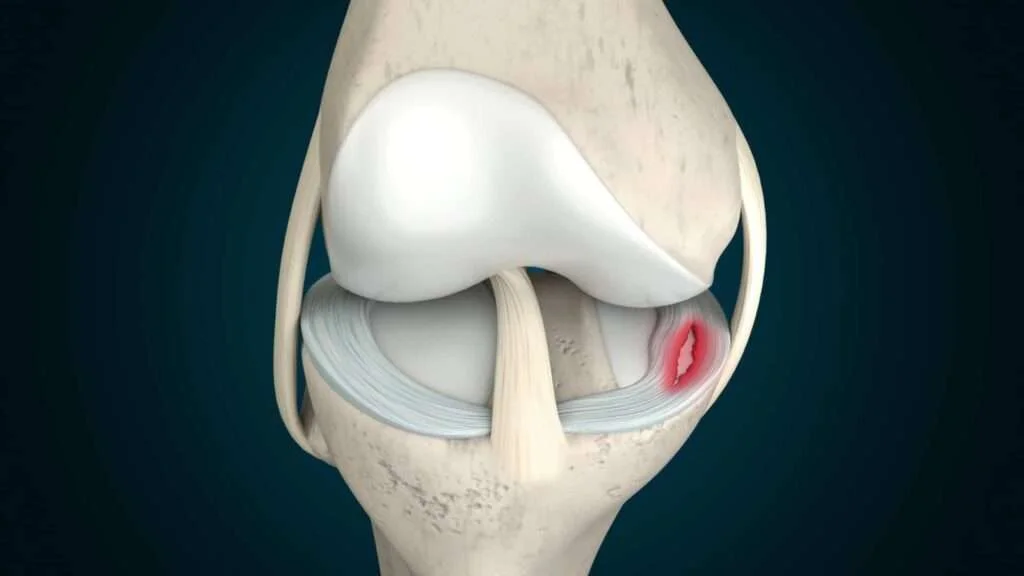
Meniscus Repair is a specialized orthopedic procedure designed to treat torn meniscus cartilage in the knee while preserving as much natural tissue as possible. The meniscus acts as a shock absorber between the thigh bone and shin bone, providing cushioning, stability, and protection to the knee joint.
When the meniscus is torn due to sports injuries, sudden twisting movements, or trauma, it can cause pain, swelling, locking, and instability. Meniscus repair surgery helps restore knee function, relieve symptoms, and reduce the risk of future joint degeneration.
What is Meniscus Repair?
Meniscus Repair is a minimally invasive arthroscopic procedure in which a torn meniscus is repaired using specialized surgical techniques rather than removing the damaged tissue.
Unlike meniscectomy, where a portion of the meniscus is removed, meniscus repair focuses on preserving the natural cartilage whenever possible. Preserving the meniscus helps maintain normal knee biomechanics and may reduce the risk of developing arthritis later in life.
What is the Meniscus?
The knee contains two menisci:
- Medial Meniscus – Located on the inner side of the knee.
- Lateral Meniscus – Located on the outer side of the knee.
These crescent-shaped cartilage structures help:
- Absorb shock
- Distribute body weight evenly
- Stabilize the knee joint
- Protect the articular cartilage
- Improve knee movement and function
Who Needs Meniscus Repair?
Meniscus repair may be recommended for patients experiencing:
- Knee pain after injury
- Swelling around the knee
- Knee locking or catching
- Difficulty bending or straightening the knee
- Joint line tenderness
- Knee instability
- Sports-related knee injuries
- MRI-confirmed meniscus tears suitable for repair
Common Causes of Meniscus Tears
- Sports Injuries – Sudden twisting, pivoting, or rapid directional changes during sports can tear the meniscus.
- Trauma and Accidents – Direct impact to the knee may cause acute meniscal injuries.
- Degenerative Changes – Age-related wear and tear can weaken the meniscus and make it more prone to tearing.
- Heavy Physical Activity – Repeated stress on the knee may increase the risk of cartilage damage.
Symptoms of a Meniscus Tear
Patients may experience:
- Sharp knee pain
- Swelling and stiffness
- Clicking or popping sensations
- Knee locking
- Difficulty fully straightening the knee
- Reduced range of motion
- Instability while walking
- Pain during squatting or twisting movements
Benefits of Meniscus Repair
- Preserves Natural Knee Cartilage
- Reduces Risk of Arthritis
- Restores Knee Stability
- Minimally Invasive Procedure
- Faster Functional Recovery
- Long-Term Joint Protection
The Meniscus Repair Procedure
Preoperative Evaluation
Before surgery, patients undergo a thorough assessment that may include:
- Medical history review
- Physical examination
- X-rays
- MRI scan
- Blood tests
- Anesthesia evaluation
Arthroscopic Meniscus Repair Surgery
- The patient receives anesthesia.
- Small incisions are made around the knee.
- An arthroscope is inserted to visualize the joint.
- The torn meniscus is carefully assessed.
- Specialized instruments and sutures are used to repair the tear.
- The stability of the repair is confirmed.
- The incisions are closed and recovery begins.
The procedure usually takes 30 minutes to 90 minutes, depending on the complexity of the tear.
Recovery After Meniscus Repair
Immediate Recovery
- Most patients return home on the same day.
- A knee brace may be used to protect the repair.
- Pain and swelling are managed with medications and ice therapy.
Rehabilitation Phase
- Physiotherapy begins soon after surgery.
- Gradual range-of-motion exercises are introduced.
- Strengthening exercises are added as healing progresses.
Return to Activities
- Daily activities: 4–8 weeks
- Light exercise: 2–3 months
- Sports activities: 4–6 months, depending on recovery and surgeon recommendations
Risks and Complications
Although meniscus repair is generally safe, potential risks include:
- Infection
- Bleeding
- Knee stiffness
- Persistent pain
- Failure of the repair to heal
- Recurrent meniscus tear
- Swelling
- Blood clots
- Need for additional surgery
Why Choose Meniscus Repair Over Meniscus Removal?
Whenever possible, orthopedic surgeons prefer meniscus repair because it:
- Preserves knee cartilage
- Maintains normal joint function
- Provides better long-term outcomes
- Reduces the risk of osteoarthritis
- Protects the knee from future degeneration
- Supports active lifestyles and sports participation