Rehabilitation & Recovery Programs
Rehabilitation and Recovery Programs are essential components of orthopedic treatment, helping patients regain strength, mobility, flexibility, and confidence after injury, surgery, or joint-related conditions. A well-structured rehabilitation program not only accelerates recovery but also reduces the risk of complications, re-injury, and long-term functional limitations.
Whether recovering from joint replacement surgery, sports injuries, fractures, ligament reconstruction, or arthroscopic procedures, personalized rehabilitation plays a crucial role in achieving the best possible outcomes.
What is Rehabilitation?
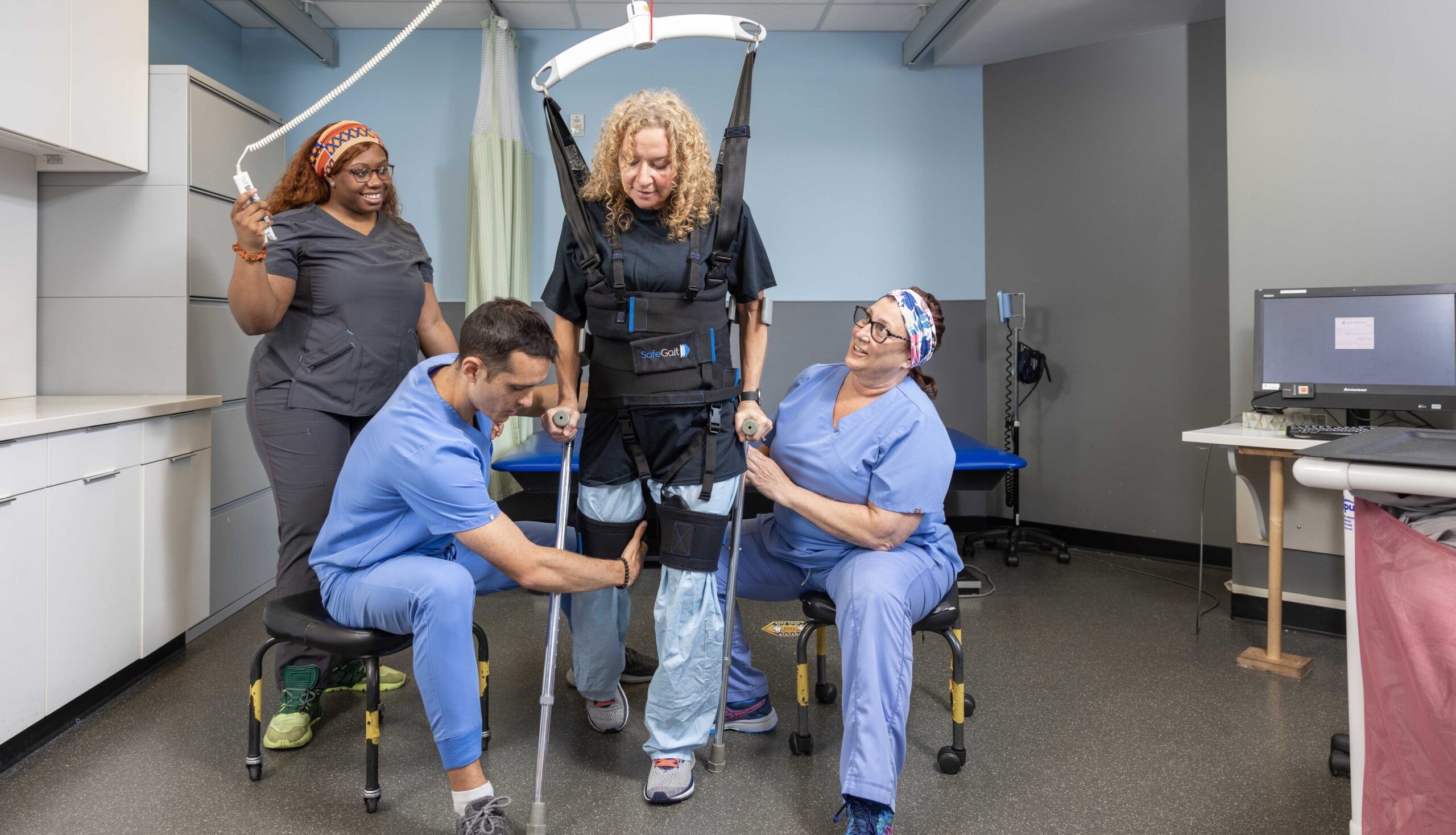
Rehabilitation is a medically supervised recovery process that focuses on restoring physical function, improving movement, reducing pain, and helping patients return to their daily activities safely and effectively.
It combines evidence-based therapies, targeted exercises, patient education, and ongoing monitoring to support optimal healing and long-term musculoskeletal health.
Who Can Benefit from Rehabilitation Programs?
Rehabilitation programs are beneficial for patients recovering from:
- Knee replacement surgery
- Hip replacement surgery
- Shoulder replacement surgery
- ACL and PCL reconstruction
- Meniscus repair
- Rotator cuff repair
- Shoulder instability surgery
- Frozen shoulder treatment
- Fractures and trauma injuries
- Sports injuries
- Arthritis-related joint conditions
- Cartilage restoration procedures
Goals of Rehabilitation and Recovery
A successful rehabilitation program aims to:
- Reduce pain and swelling
- Restore joint mobility
- Improve muscle strength
- Enhance flexibility and balance
- Promote safe healing
- Improve coordination and function
- Prevent stiffness and complications
- Facilitate a return to normal activities and sports
Components of a Rehabilitation Program
Comprehensive Assessment
Every rehabilitation journey begins with a detailed evaluation of:
- Medical history
- Surgical procedure performed
- Current pain levels
- Range of motion
- Muscle strength
- Functional limitations
- Personal recovery goals
This assessment helps create a customized recovery plan tailored to individual needs.
Pain Management
Effective pain control is essential for successful rehabilitation and may include:
- Ice and heat therapy
- Guided movement exercises
- Manual therapy techniques
- Postoperative pain management strategies
- Education on activity modification
Mobility and Flexibility Training
Specialized exercises help restore:
- Joint movement
- Muscle flexibility
- Functional mobility
- Walking ability
- Postural alignment
Early movement often plays a key role in preventing stiffness and improving recovery outcomes.
Strengthening Exercises
Targeted strengthening programs focus on rebuilding:
- Joint-supporting muscles
- Core stability
- Lower limb strength
- Upper limb function
- Overall physical endurance
Gradual progression ensures safe and effective recovery.
Balance and Coordination Training
These exercises help improve:
- Stability
- Joint control
- Walking mechanics
- Injury prevention
- Confidence during movement
Balance training is particularly important after knee, hip, and ankle injuries.
Functional Rehabilitation
Functional training focuses on restoring the ability to perform everyday activities such as:
- Walking
- Climbing stairs
- Sitting and standing
- Reaching and lifting
- Driving
- Returning to work
Programs are tailored to each patient's lifestyle and occupational demands.
Sports Rehabilitation
Athletes and active individuals may benefit from specialized sports rehabilitation programs that include:
- Sport-specific training
- Agility exercises
- Plyometric drills
- Strength conditioning
- Return-to-play assessments
The goal is to safely restore peak performance while minimizing the risk of re-injury.
Rehabilitation After Common Orthopedic Procedures
Joint Replacement Rehabilitation
Following knee, hip, or shoulder replacement surgery, rehabilitation focuses on:
- Restoring mobility
- Improving strength
- Regaining independence
- Enhancing joint function
Ligament Reconstruction Rehabilitation
After ACL, PCL, or other ligament surgeries, recovery emphasizes:
- Knee stability
- Muscle strengthening
- Balance training
- Progressive return to sports
Arthroscopy Recovery Programs
Patients recovering from arthroscopic procedures benefit from:
- Early mobility exercises
- Pain management
- Functional strengthening
- Activity progression
Shoulder Rehabilitation
Programs following shoulder surgery may include:
- Range-of-motion exercises
- Rotator cuff strengthening
- Postural correction
- Functional movement training
Benefits of Professional Rehabilitation
- Faster Recovery
Structured rehabilitation helps accelerate healing and restore function. - Improved Surgical Outcomes
Patients who follow rehabilitation protocols often achieve better long-term results. - Reduced Pain and Stiffness
Targeted exercises improve mobility and reduce discomfort. - Lower Risk of Re-Injury
Strength and stability training help protect the affected joint. - Better Quality of Life
Patients regain independence and confidence in daily activities. - Safe Return to Sports and Work
Customized programs support a gradual and successful return to physical activity.